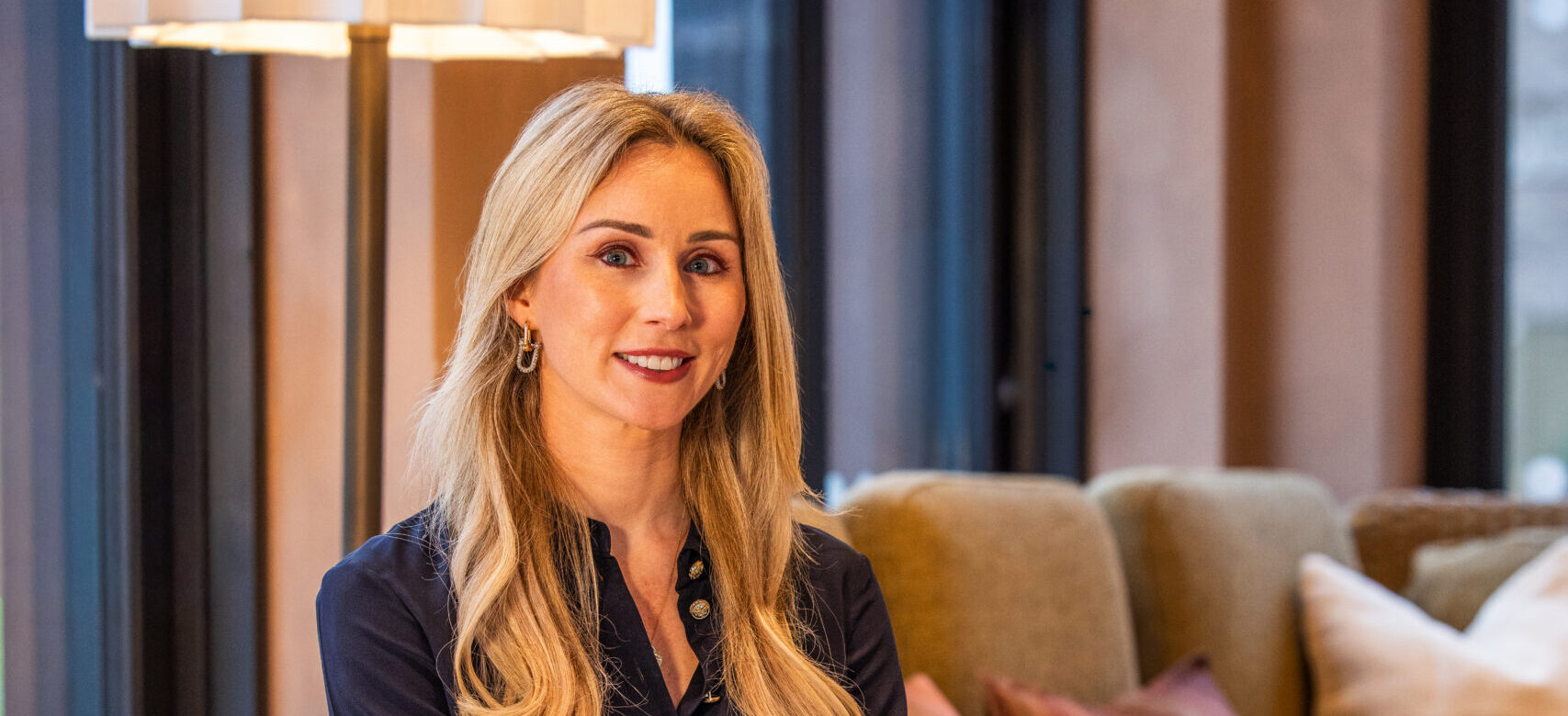
For Jean-François Brun, General Manager of Fairmont Hanoi in Vietnam, this is his eighth hotel opening. Yet this one, he admits, feels different.
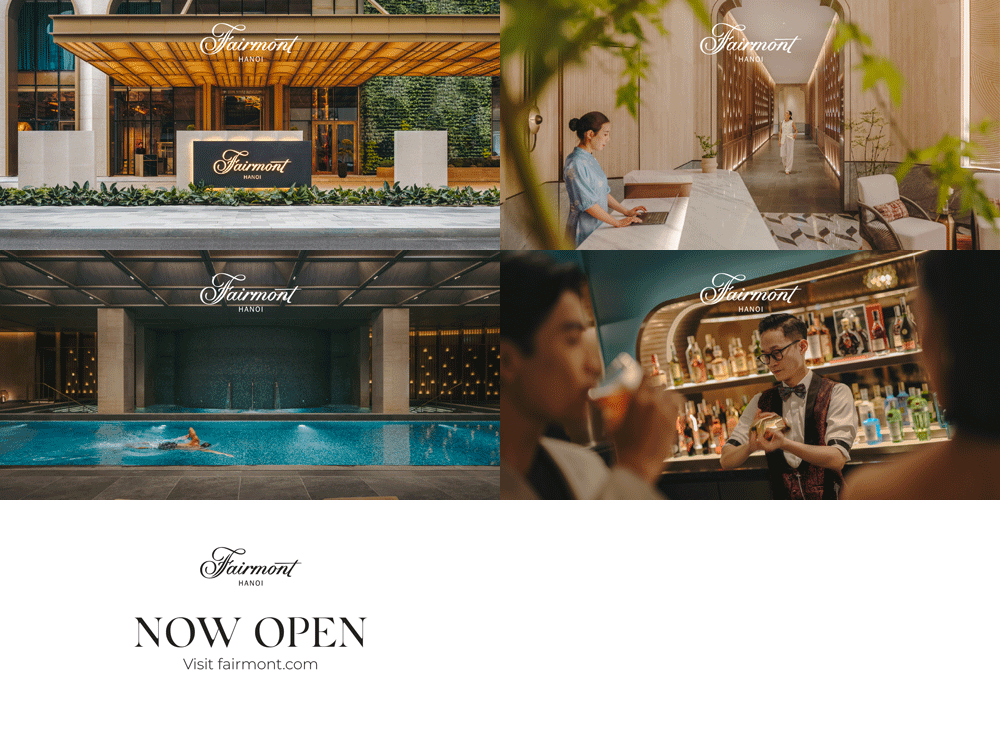
Set within Vietnam’s storied Old Quarter, overlooking the stillness of Hoan Kiem Lake, Fairmont Hanoi arrives with quiet confidence, and with a 3,500sqm wellness sanctuary at its core.
Brun describes it as ‘Fairmont 2.0’ an evolution of the brand that is less about spectacle, and more about soul.
Ritual and responsibility
We chatted with him to discuss responsibility, ritual and why, in today’s rarefied world of luxury hospitality, warmth matters more than ever.
Expanding Fairmont into Asia, and into Vietnam’s capital, carried weight. “There was a feeling that people had been waiting for Fairmont,” Brun reflects. “And with that comes responsibility.”
For him, that responsibility was deeply personal. Beyond delivering a five-star property, the ambition was to articulate what Fairmont means in a new cultural context.
“Luxury is important, of course. But it must never feel pretentious. From the moment guests arrive, they should feel genuine warmth.”
“That philosophy began behind the scenes. If our colleagues embody the spirit of Fairmont, guests will feel it instinctively. Culture cannot be staged; it has to be lived internally first.”
Vietnamese through and through
Yet this was never about transplanting a global template. “This is the beginning of Fairmont in Vietnam, and it needed to feel Vietnamese, in its rhythm, its heritage and its emotional landscape.”
Hanoi is a city of contrasts, ancient temples framed by French colonial architecture, tranquil lakes set against an unceasing current of movement and designing within such a layered environment required sensitivity.
“Architecture was crucial, of course. But culture was equally important, how we trained our teams, how we translated Fairmont values in a way that felt authentic rather than imposed.”
Subtle storytelling runs throughout the hotel. Materials, artwork, and detailing reference city’s past without descending into nostalgia, even the uniforms form part of the narrative.
“We chose gấm (traditional silk brocade), an ancient silk once worn by nobility, and reinterpreted it with contemporary structure and fluidity, it’s a quiet conversation between history and modernity we thought.”
Inspiration also came from Hanoi’s iconic flower sellers, bicycles laden with colour gliding through the streets at dawn. “Flowers are part of the city’s daily poetry,” Brun says. “Silk florals appear throughout the hotel, an elegant gesture that links past and present.”
People and timing
With 431 colleagues recruited for opening, Brun describes the launch as one of the most seamless of his career. “Finding the right people is often the greatest challenge. Here, there was a genuine hunger to be part of something new. The timing aligned, the ownership is deeply committed, and being in the capital gives the project a real sense of purpose.”
If there is a defining statement at Fairmont Hanoi, it is wellness, not as an amenity, but as architecture. Though positioned in the heart of the Old Quarter, the property feels unexpectedly open, framed by greenery and uninterrupted lake views. A central courtyard anchors the design, drawing light and air through the building. “We wanted the sense of nature outside to flow inward and the courtyard became the emotional centre of the hotel.”
From this vision emerged Sibwa, a 3,500sqm ecosystem structured around three pillars, spa, fitness and lifestyle.
CIRUA Spa. Fitness. Wellness Club
The CIRUA delivers elevated treatments with technical precision, while the fitness offering reflects Brun’s refusal to compromise. “Our guests are global. They understand what excellence looks like, especially in fitness so it had to be exceptional.”
Most distinctive, however, is the bathhouse concept, Korean-inspired thermal rituals paired with a Japanese-style onsen experience. Together they form a sanctuary designed not for transience, but immersion.
“We realised we weren’t simply building a spa,” he says. “We were creating a journey, it’s the inner circle.”
At the heart of CIRUA sits the Fairmont Spa, intentionally intimate, intentionally restrained. “This was never about volume,” Brun explains. “It’s about balance, about protecting the energy of the space.
Guests are encouraged to linger for hours, moving through thermal rituals at an unhurried pace. The experience feels ceremonial rather than transactional. It becomes something you return to, almost a way of living, and we think of it as an inner circle.”
Vietnamese philosophies of harmony inform the offering, particularly through natural ingredients and holistic principles. But Brun is clear: authenticity requires evolution.
“We honour heritage, but we do not recreate it as theatre. It must feel contemporary and relevant to an international audience.”
In a capital defined by movement, Brun believes the modern spa must offer more than indulgence. “People are overstimulated, even with limited time, they’re searching for depth, for something that resets them.” The intention therefore is restoration rather than excess.
Crucially, CIRUA is conceived not only for travellers, but for Hanoi itself. “Fairmont should be woven into the fabric of its city. We want residents to feel this is their sanctuary, harmonious, unpretentious, part of their lifestyle.”
Wellness at home
Opening a flagship property demands relentless focus, and Brun speaks candidly about the discipline required to maintain equilibrium. “Wellness begins with family,” he says simply. “They are my anchor.”
He structures his days around movement and stillness, running, training and carving out at least an hour of silence. “If you don’t organise your time, it disappears.”
Time with his son restores perspective, the energy of his team sustains momentum. “Wellness is collective and I draw tremendous energy from our colleagues and our guests.”
As guests depart Fairmont Hanoi, Brun hopes what remains is less about opulence and more about emotion.
“Fairmont 2.0 keeps the intimacy and heritage of the brand, but expresses it in a way that feels fresh, deeply connected to Vietnam.”
For him, the future of luxury is disarmingly simple. “It’s about warmth. About connection. If guests leave feeling calm, genuinely welcomed and cared for, and that feeling stays with them long after they return home, then we have achieved something meaningful.”