Dance used to be instinctive. It was ritual, rebellion, celebration and release. It was how communities bonded and how individuals expressed what words could not. Yet somewhere along the way, many of us stopped.
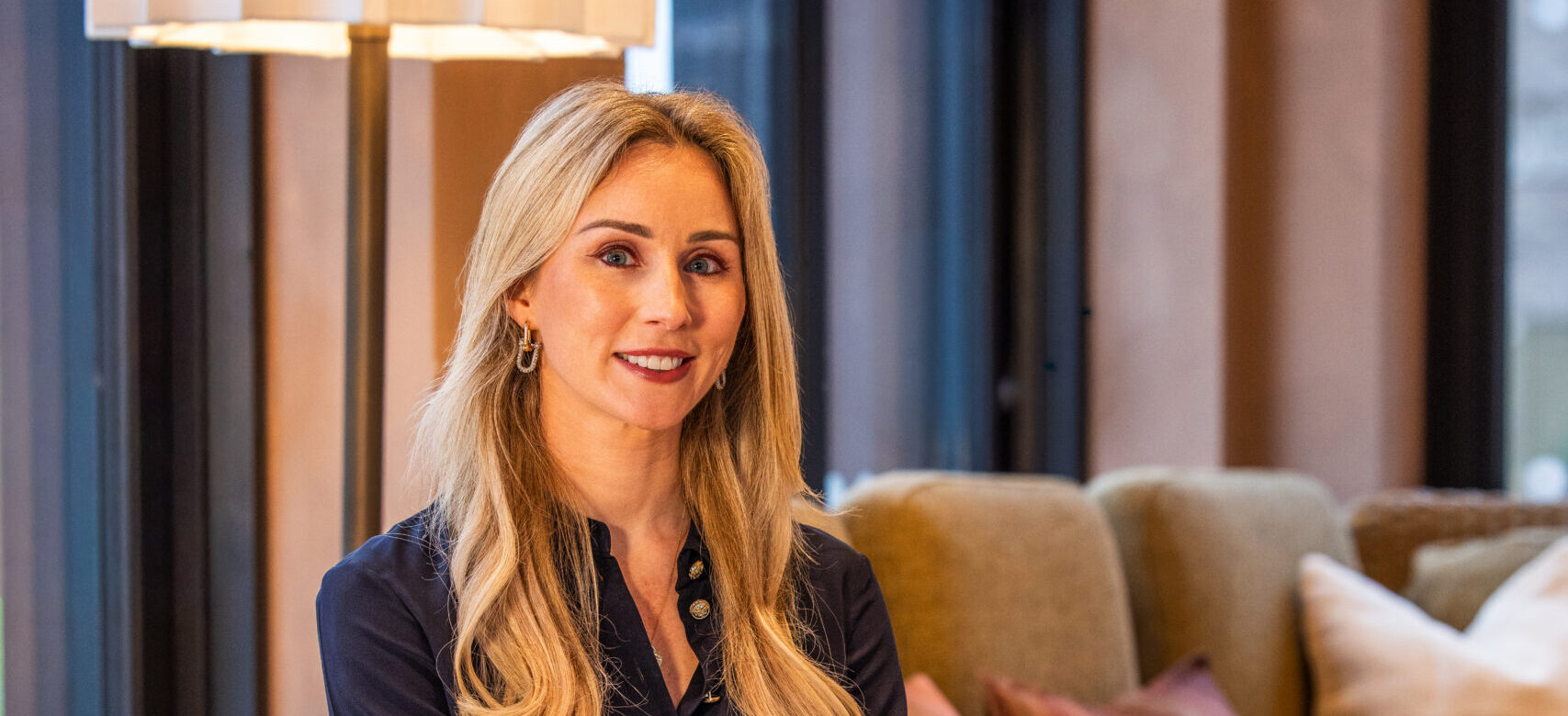
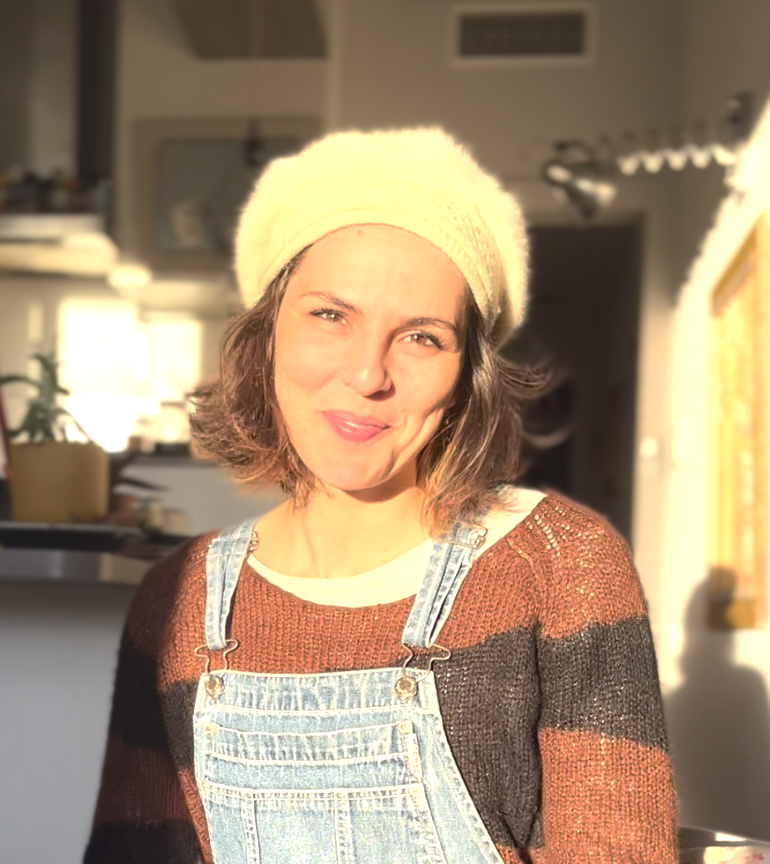
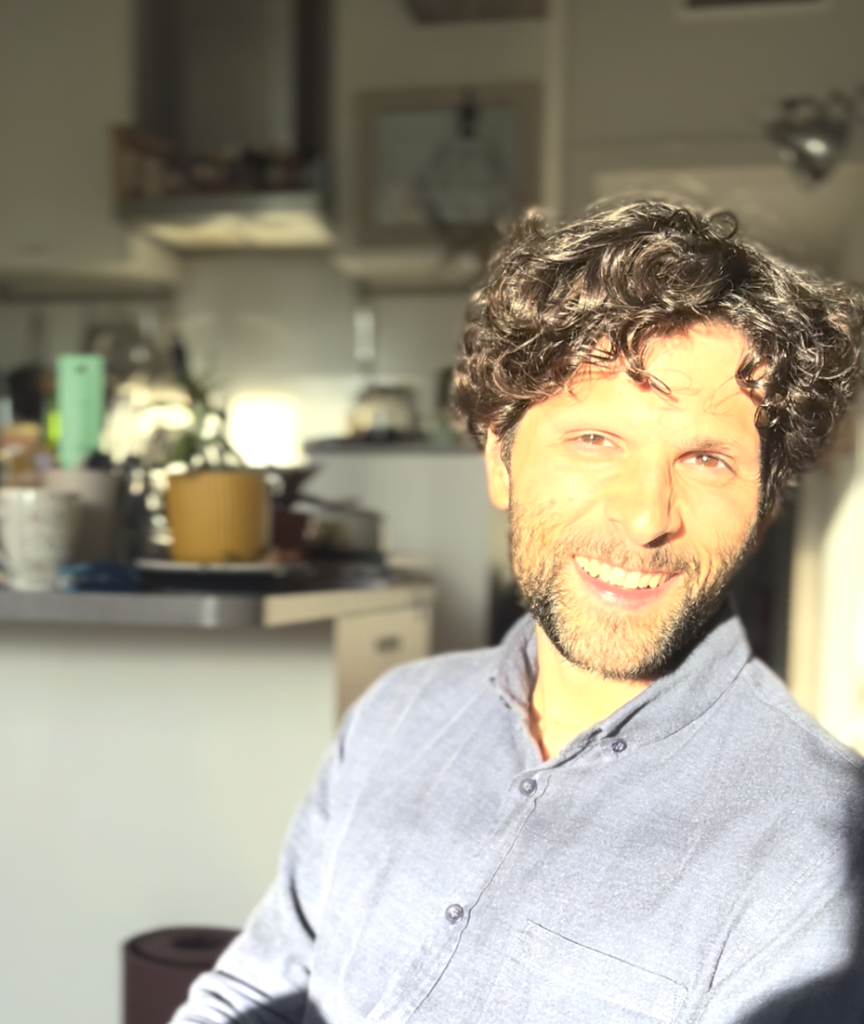
For Steph Wynn, a Barcelona based dance practitioner who later studied dance movement therapy, that loss felt personal. Although she studied sociology as an undergraduate, she spent years immersed in movement practices including African dance, 5 Rhythms, contemporary dance, Gaga and Lindy Hop. Again and again, she found herself the only one in the room who wanted to move.
“Humans and dance coexist,” she says. “So why are we not dancing?”
Part of the answer, she believes, lies in how dance has been taught. Traditional classes, she found, often stripped away the joy. Too much emphasis was placed on doing it “right” or “wrong.” For many, that quiet pressure lingers long after the class ends. It creates self consciousness where there should be freedom.
Historically, dance has held extraordinary power. At various points in history, it was even prohibited by the church, a testament to its influence. Movement has long been associated with freedom, collective emotion and social cohesion. Today, in a world marked by anxiety, depression and rising loneliness, its absence feels striking.
“Community has always been built around song and dance,” Steph explains. “When we stop moving together, we lose something fundamental.”
Tiny Party was born from that realisation, a response to modern isolation and the growing need for belonging. Founded by Steph and Michael, who met through the global conscious movement practice 5 Rhythms, the concept blends structure with spontaneity in a way that feels both grounded and joyful.
Hosted in Barcelona, Tiny Party brings together locals and international attendees for a three-hour immersive experience designed to gently reconnect people with themselves and each other. The first hour is guided and alcohol free, weaving together a mix of dance styles and somatic practices to help participants tune into their bodies. It is not about choreography or performance, but awareness, noticing breath, rhythm and sensation. Most importantly, it is about removing the belief that dance can be done correctly or incorrectly.
The second hour transitions into a DJ led set, where guided prompts meet freer movement and the energy builds organically.
By the third hour, the space softens into something social. Food and drink are available; conversations spark and connections form. Around 65 per cent of attendees come primarily to dance. Others arrive open to meeting new people, though often they leave having done both.
Tickets are €25, keeping the experience accessible while remaining intentionally intimate.
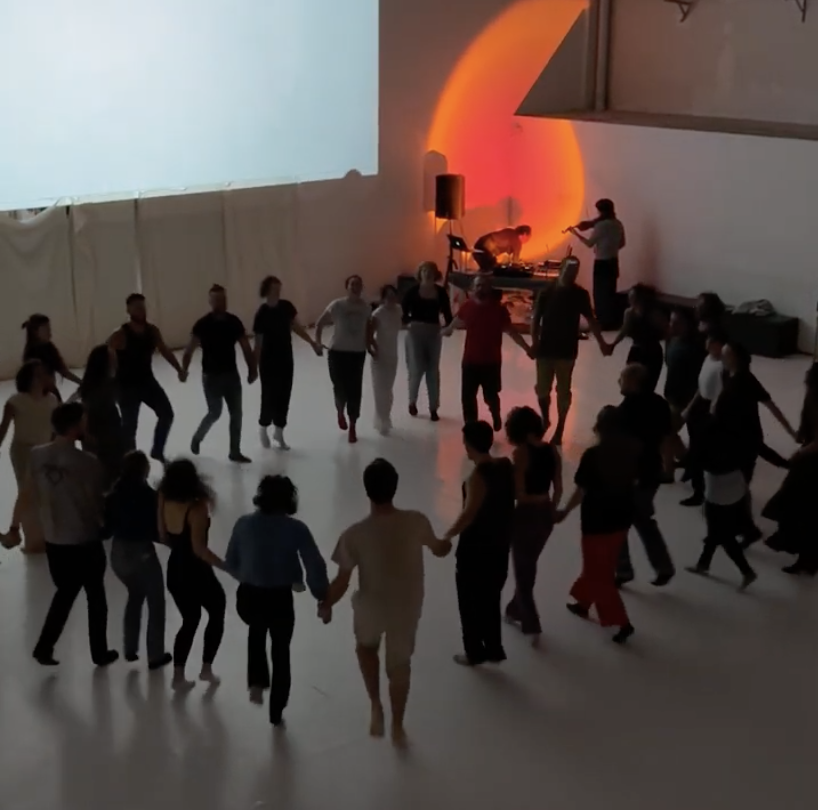
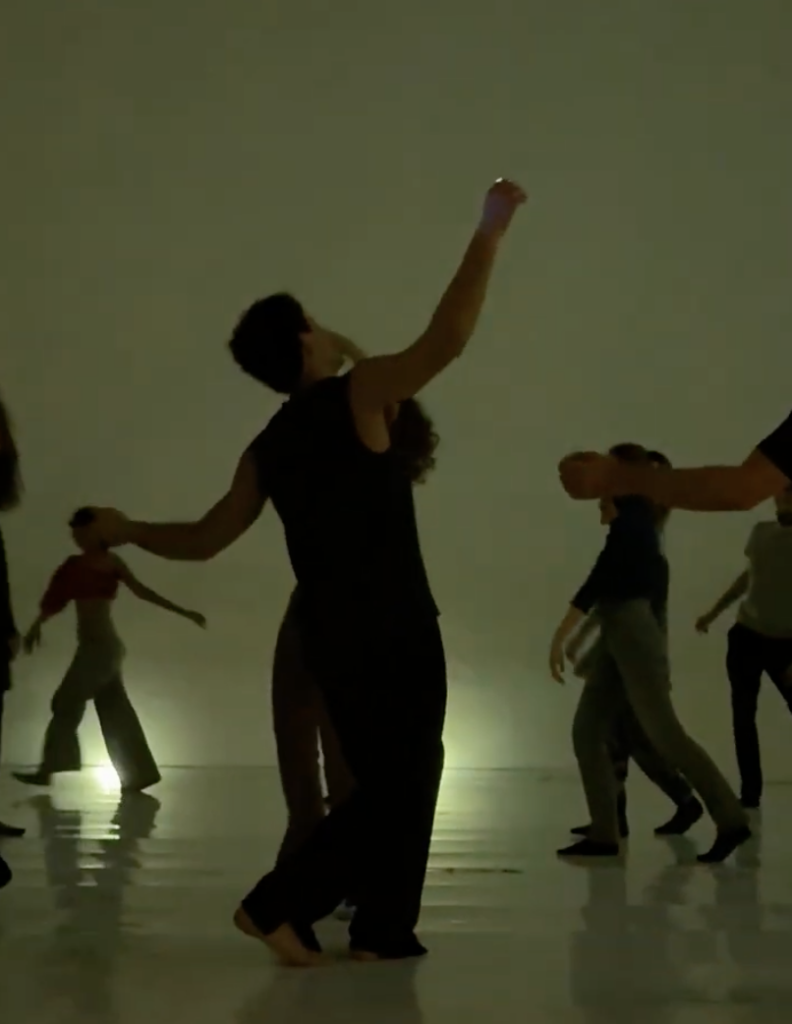
While rooted in Barcelona’s creative community, Tiny Party has also expanded online, allowing participants from around the world to join virtually, proving that shared movement does not need to be confined to a single room.
Tiny also offers weekly online dance and movement events and classes, making their approach accessible to anyone, anywhere. At its core, Tiny exists to increase joy and peace in our lives through dance, whether in a group or from the comfort of home. Participants often report reduced stress, increased energy, improved mood and a deeper connection to how movement invites new ways of thinking after just one session. Founded on the belief that movement is medicine, the company draws inspiration from the words of Blanche Ellis: “Remember, all that joy and beauty is just a body state away.”
In an era of screens and scrolling, Tiny Party offers something deceptively simple: shared movement in a shared space. Not as spectacle, but as reconnection.
Because perhaps the real question is not why we stopped dancing, but what might happen if we started again.